


Heating System Maintenance Checklist: The Essential Guide for Homeowners
Heating system maintenance means scheduled inspections, cleaning, and adjustments that keep furnaces, heat pumps, and boilers operating safely, efficiently, and reliably through seasonal demand. Regular maintenance reduces energy use, prevents unexpected breakdowns, improves indoor air quality, and lowers long-term repair costs for homeowners managing aging equipment. This guide explains what a comprehensive heating system maintenance checklist includes, separates homeowner-safe DIY tasks from professional inspections, and highlights safety checks that must never be skipped. You will learn monthly and seasonal steps you can perform, what technicians inspect during a professional tune-up, and signs that indicate it’s time to call a certified technician. The article maps out practical checklists, comparison tables for components and frequencies, and local considerations for Lehi homeowners to ensure systems are prepped for cold weather while managing dust and altitude effects.
Understanding the various approaches to maintenance, from preventive to proactive, is key to maximizing the lifespan and efficiency of your heating system.
Optimizing Maintenance Strategies for System Longevity
This study highlights the principal maintenance strategies, such as preventive, predictive, reactive, and proactive maintenance, detailing their benefits and limitations. By integrating these strategies with the latest optimization tools, organizations can minimize downtime, reduce costs, and enhance their systems’ overall productivity and longevity.
Maintenance strategies and optimization techniques, M Yazdi, 2024
This guide uses plain language and evidence-based rationale to help you prioritize tasks, plan a maintenance schedule, and decide when professional service is required. Each section contains concise lists and EAV tables to make it easy to scan and act, with clear transitions from basic checks to advanced professional services. Read on for a complete homeowner-centered heating maintenance plan, including safety steps and local scheduling details for Lehi-area service.
What’s Included in a Comprehensive Heating System Maintenance Checklist?
A comprehensive heating system maintenance checklist defines routine visual checks, component servicing, and safety tests that together preserve system efficiency and occupant safety. Maintenance combines mechanical cleaning (blowers, burners), consumable replacement (air filters), control verification (thermostat and safety switches), and safety inspections (gas lines, heat exchanger, flue). The purpose is to prevent combustion inefficiencies, ensure proper airflow, and detect early signs of wear that can escalate into costly failures or safety hazards. Below is a short scannable list of core items every homeowner should expect on a full checklist.
Core items in a professional heating maintenance checklist:
- Air filter inspection and replacement: Ensures proper airflow and indoor air quality.
- Thermostat calibration and control checks: Confirms accurate temperature control and schedules.
- Blower motor and belt inspection: Maintains airflow and prevents noise or failure.
- Burner and ignition system cleaning/inspection: Preserves combustion efficiency and reliability.
- Flue, venting, and condensate drain checks: Ensures safe exhaust and prevents water damage.
These tasks reduce energy waste, extend equipment life, and keep homes safer; the next subsection explains core tasks common to all heating system types in more detail.
Core tasks common to all heating systems
Core tasks common to furnaces, heat pumps, and boilers include checking air movement, verifying controls, and replacing consumables that influence performance and indoor air quality. Start with air filter replacement or cleaning based on the filter type, as a clogged filter increases blower load and reduces system efficiency. Inspect and clear vents and registers to ensure unobstructed airflow; restricted registers can cause uneven heating and stress components. Confirm thermostat settings and batteries, and observe system startup and shutdown to detect abnormal noises or cycling that suggest mechanical or control issues.
Regular attention to these core tasks improves comfort and lowers utility bills, and this leads naturally into safety and compliance inspections that identify hazards requiring professional tools and training.
| Component | Maintenance Action | Recommended Frequency |
|---|---|---|
| Air filter | Inspect and replace or clean based on type | Monthly to quarterly, depending on use and environment |
| Thermostat | Calibrate, replace batteries, verify schedules | Annually or seasonally |
| Vents/registers | Clear obstructions and vacuum around openings | Seasonally and as needed |
| Blower motor | Inspect, lubricate if applicable, check belts | Annually |
This table summarizes the most recurrent items and indicates how often homeowners or technicians should address them to maintain airflow, control accuracy, and component longevity.
Air Express HVAC performs comprehensive professional maintenance covering these core tasks and can handle items that require tools, diagnostics, or gas-handling qualifications. Homeowners seeking professional assistance can call (801) 766-8585 to schedule service or request a free estimate; mention basic symptoms and preferred booking windows when calling.
Safety and compliance inspections
Safety and compliance inspections focus on combustion integrity, venting effectiveness, and carbon monoxide (CO) risk mitigation, which require trained technicians and diagnostic equipment. Professionals inspect the heat exchanger for cracks or corrosion, examine gas lines for leaks and proper pressure, and verify flue and venting paths to prevent exhaust backflow that could introduce CO into living spaces. Certified technicians often perform combustion analysis and CO testing using analyzers to confirm safe fuel-to-air ratios and identify incomplete combustion.
Because these checks directly affect occupant safety, homeowners should never attempt invasive testing on gas lines or heat exchangers; instead, schedule a professional inspection if you detect persistent odors, soot, or irregular flame patterns. Prompt safety inspections prevent hazardous outcomes and form the foundation for compliant, efficient heating operation.
DIY Heating System Maintenance Tasks: Monthly and Seasonal Steps
DIY heating system maintenance includes repeatable tasks homeowners can safely perform to keep equipment running smoothly and to catch issues early. These tasks are limited to non-intrusive checks like filter changes, thermostat adjustments, and visual inspections for leaks, debris, or unusual noises. Performing monthly and seasonal checks reduces the frequency of emergency repairs and prepares systems for the higher loads of winter. The checklist below clarifies what you can do yourself and when to stop and call a professional.
Monthly DIY checklist for homeowners:
- Check and replace air filters: Replace disposable filters or clean reusable ones; record the date.
- Verify thermostat settings and batteries: Ensure schedules match occupancy and batteries are fresh.
- Inspect visible ductwork and vents: Look for obstructions, disconnected ducts, or heavy dust buildup.
These monthly activities typically take 10–30 minutes and prevent airflow restriction; the following EAV table clarifies common tasks, DIY actions, and when to escalate to a technician.
| Component | DIY Action | Safety/Limitations |
|---|---|---|
| Air filter | Replace or clean; note type and size | Stop and call pro if unusual dust or persistent allergies |
| Thermostat | Swap batteries; verify schedule and mode | Do not rewire or change wiring without pro help |
| Vents/registers | Vacuum and remove obstructions | Call pro for duct repairs or detached ducts |
| Visible piping/drain | Check for leaks or pooling | Stop if you find gas smell or corroded pipes — call pro immediately |
This table helps homeowners decide which actions are safe to perform and which signs require professional attention; next, seasonal tasks prepare systems for winter weather.
Monthly DIY tasks you can complete
Monthly DIY tasks emphasize fast, repeatable checks that preserve efficiency and detect early problems. Begin with filter inspection and replacement, using the correct filter size and MERV rating for your system; cleaning or replacing filters usually takes 10–15 minutes. Test thermostat operation by raising and lowering setpoints and listening for system response; replace batteries annually or when performance lags. Walk around equipment to look for leaks, rust, or unexplained moisture, and note any strange sounds during startup that could indicate worn bearings or loose panels.
If you encounter gas odors, persistent water leaks, or electrical burning smells, stop DIY work immediately and arrange for professional service; these issues fall outside safe homeowner tasks and require certified technicians and diagnostic tools.
Seasonal DIY tips for vents, drains, and visual inspections
Seasonal maintenance ahead of winter includes clearing vents, checking condensate drains on condensing boilers and heat pumps, and ensuring outdoor units are free from debris and snow buildup. Before cold weather, remove furniture and rugs blocking returns, vacuum registers, and check that outdoor unit clearances meet manufacturer guidance to maintain airflow. For heat pump and boiler condensate drains, flush visible traps with a small amount of vinegar or warm water if recommended by the manufacturer, and check for slow drainage or backups.
Document seasonal observations and share them with a technician during a tune-up visit; capturing these notes helps professionals target problem areas and reduces diagnostic time during a professional inspection.
Furnace tune-up components
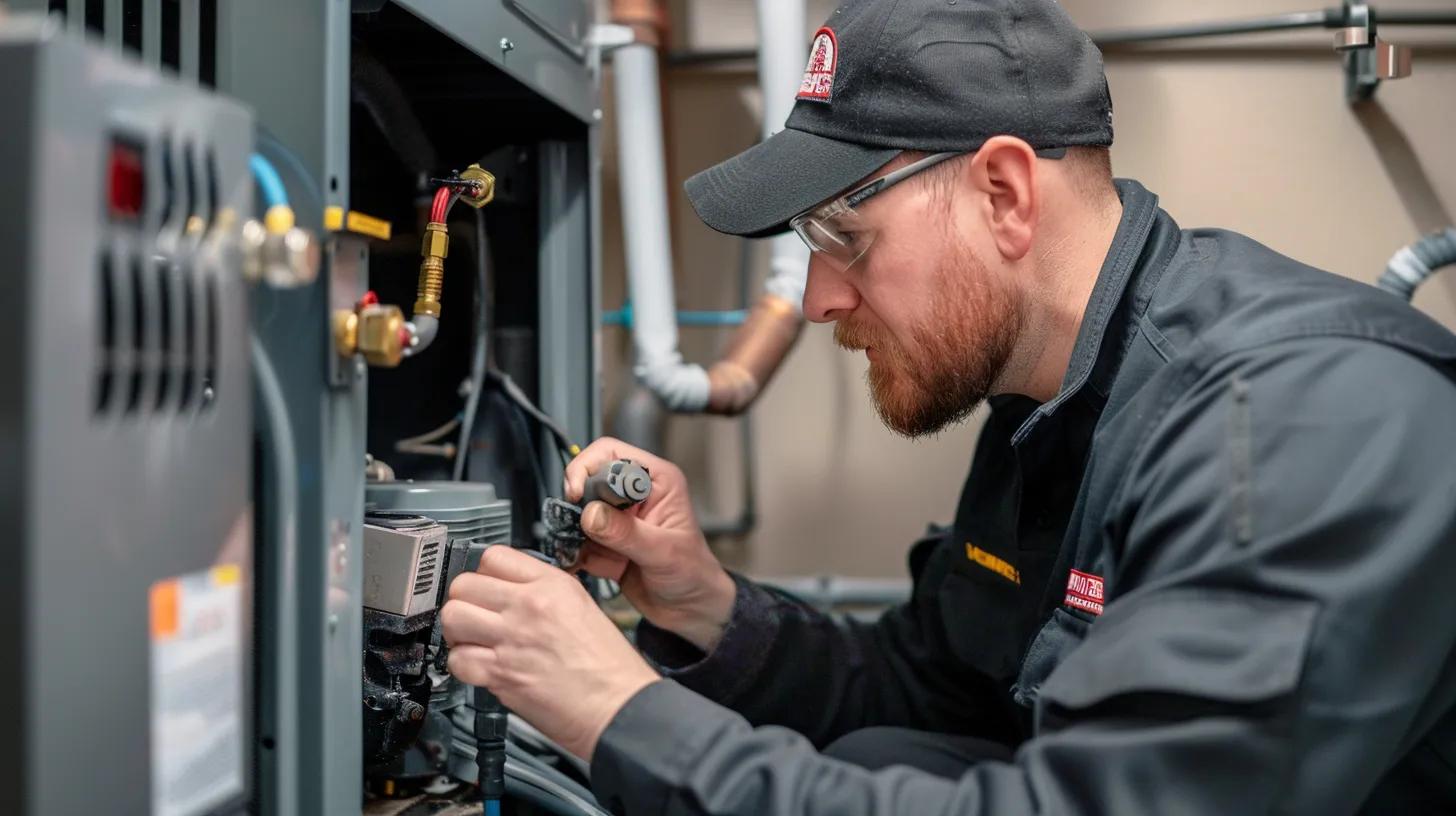
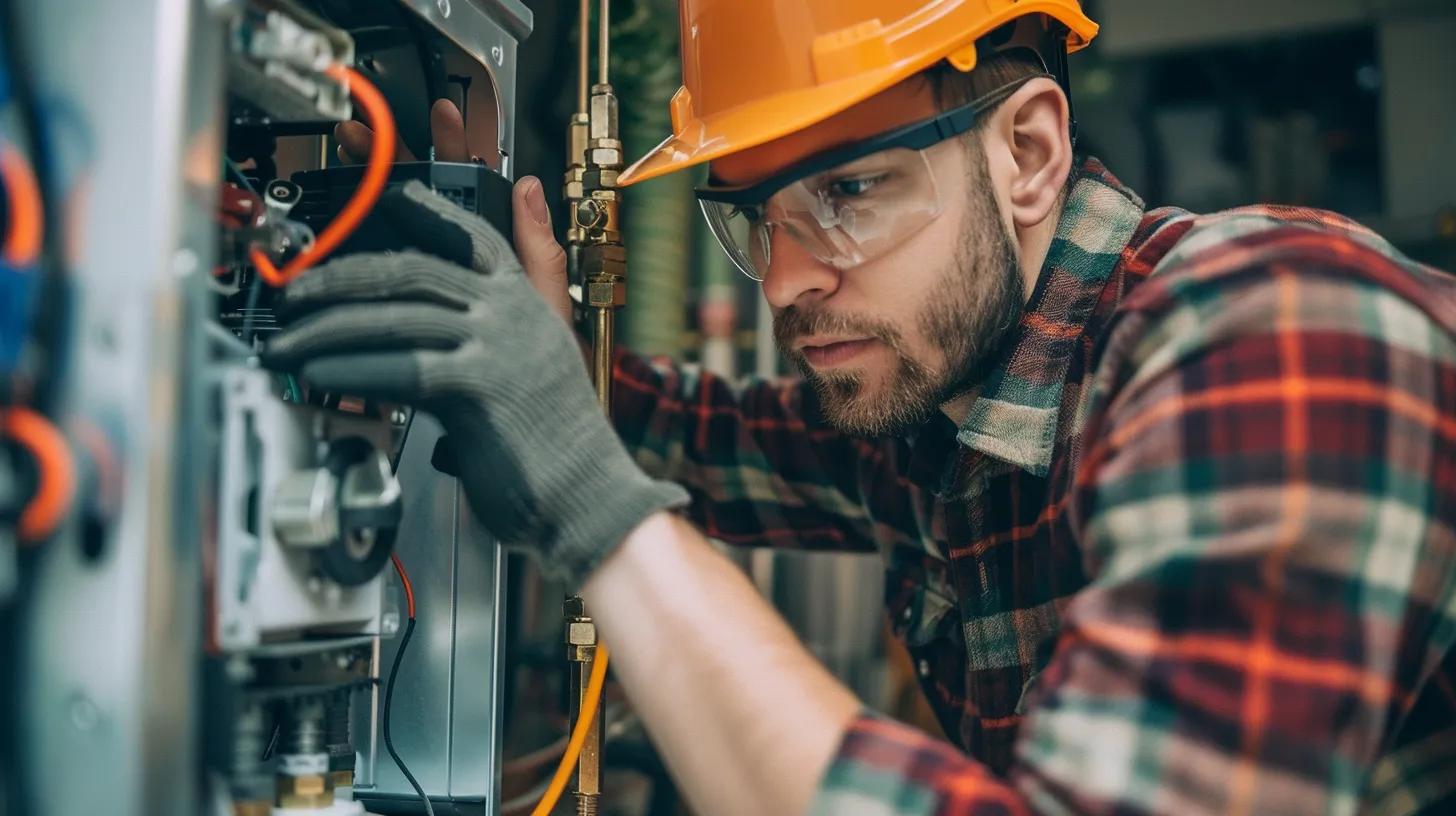
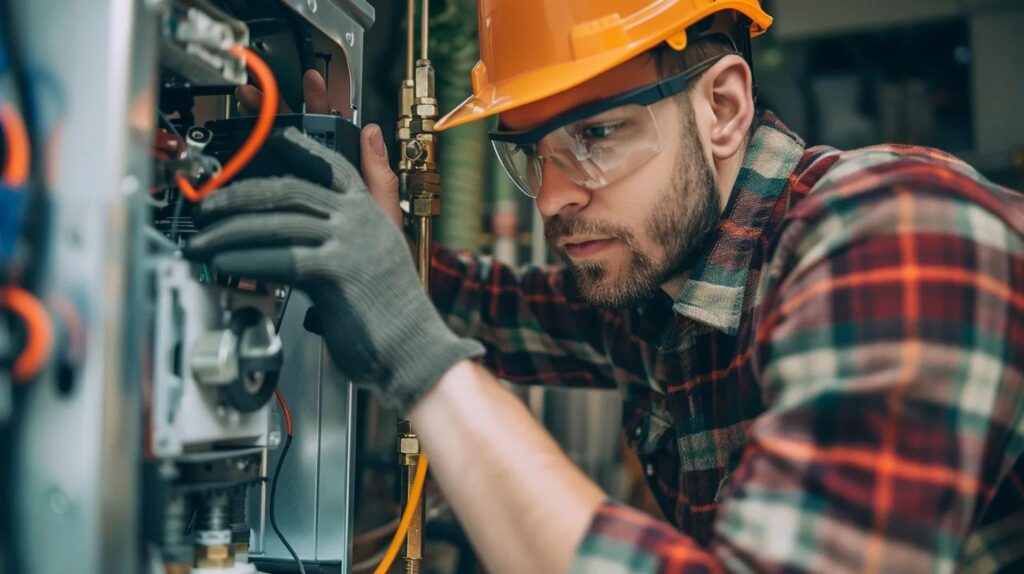
A furnace tune-up includes cleaning and inspecting burners and the combustion chamber, checking and testing the ignition and flame sensor, lubricating motors and blower bearings if required, and confirming gas valve operation and pressure where applicable. Technicians clean or replace dirty ignition components and examine the heat exchanger for signs of cracking or corrosion — a critical safety check for fuel-fired systems. The blower assembly gets inspected for dust buildup and belt condition to ensure proper airflow and quiet operation, which improves comfort and reduces energy consumption.
Documented findings from the furnace tune-up help homeowners prioritize repairs or replacements and create a maintenance baseline for future inspections.
Professional inspection steps
Professional inspections follow a logical workflow: initial visual assessment, non-invasive diagnostic testing, targeted cleaning or adjustments, and final operational verification under load conditions. Common tools include multimeters for electrical checks, combustion analyzers for gas systems, and pressure gauges for hydronic systems. Technicians conclude with a written summary of findings, recommended repairs, and an estimate if further work is needed, which helps homeowners make informed decisions.
This structured approach ensures issues are identified systematically and that corrective work targets the highest-safety and highest-efficiency items first.
Local Lehi Heating Maintenance: Scheduling, Local Expertise, and Why It Matters
Local maintenance matters because Lehi’s seasonal temperature swings, altitude (approximately 4,900 feet above sea level), and regional dust can influence heating system performance and timing for tune-ups. Pre-winter tune-ups timed ahead of typical cold snaps prevent peak-season service delays and reduce the risk of emergency repairs when temperatures drop. Local technicians are familiar with common area issues such as particulate buildup from seasonal winds and can advise on filter selections and maintenance cadence tailored to local air quality.
Scheduling local service offers faster response times and technicians who understand regional code requirements and common heating system adaptations needed for nearby weather patterns. The next subsection details Lehi-specific considerations and the benefits of engaging local expertise.
Lehi-specific benefits and climate considerations
In the Lehi area, temperature variability and occasional high-dust periods increase the importance of timely filter changes and pre-season inspections to avoid clogged coils and strained blowers. Altitude and seasonal cold snaps can affect combustion behavior and require accurate combustion tuning for furnaces and boilers. Local technicians who commonly service nearby homes can quickly identify patterns — such as common duct pressure issues in tightly sealed houses — and recommend preventive steps such as more frequent inspections before the heating season.
How to schedule service with Air Express HVAC in Lehi
To schedule heating maintenance in Lehi, homeowners may call Air Express HVAC at (801) 766-8585 to discuss available windows, describe observed symptoms, and request a free estimate for recommended work. The company is family-owned and operated and serves residential and light commercial clients across Lehi and surrounding cities, offering installation, maintenance, repair, replacement, and tune-ups for heating, AC, and indoor air quality systems. When you call, expect to provide your address and a brief description of system type and symptoms; the scheduler will confirm availability and typical time windows for service.
Keeping a local provider on your preferred list accelerates emergency response and helps maintain consistent service records tied to local climate cycles and equipment history.
Conclusion
Regular heating system maintenance is essential for ensuring safety, efficiency, and longevity of your equipment, ultimately leading to lower energy bills and fewer emergency repairs. By following the comprehensive checklist and understanding when to call a professional, homeowners can effectively manage their heating systems and enhance indoor comfort. Don’t wait for the cold weather to catch you off guard; schedule your maintenance today to ensure your system is ready for the season. Contact Air Express HVAC at (801) 766-8585 for expert service tailored to your local needs.