


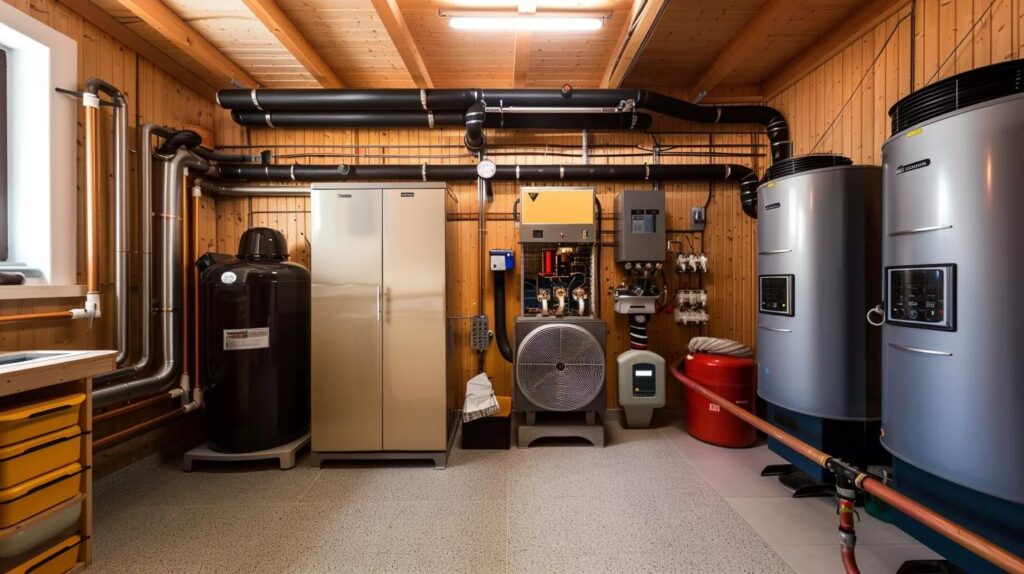
How to Ensure Your Heating System is Installed Correctly: Professional Installation Tips and Checklist
Installing a heating system correctly is crucial for ensuring safety, efficiency, and longevity. This comprehensive guide will provide you with essential tips and a detailed checklist to ensure your heating system is installed properly from start to finish. Many homeowners overlook the importance of professional installation, which can lead to costly repairs, reduced system lifespan, and significant safety hazards. By understanding the key aspects of heating system installation, you can avoid common pitfalls and ensure your home remains warm, comfortable, and safe for years to come. This article will cover the paramount importance of professional installation, a detailed checklist for every stage of the process, critical safety and compliance measures, best practices for thermostat and ductwork setup, and essential post-installation steps for long-term performance and peace of mind.
Why Is Professional Heating System Installation Essential?
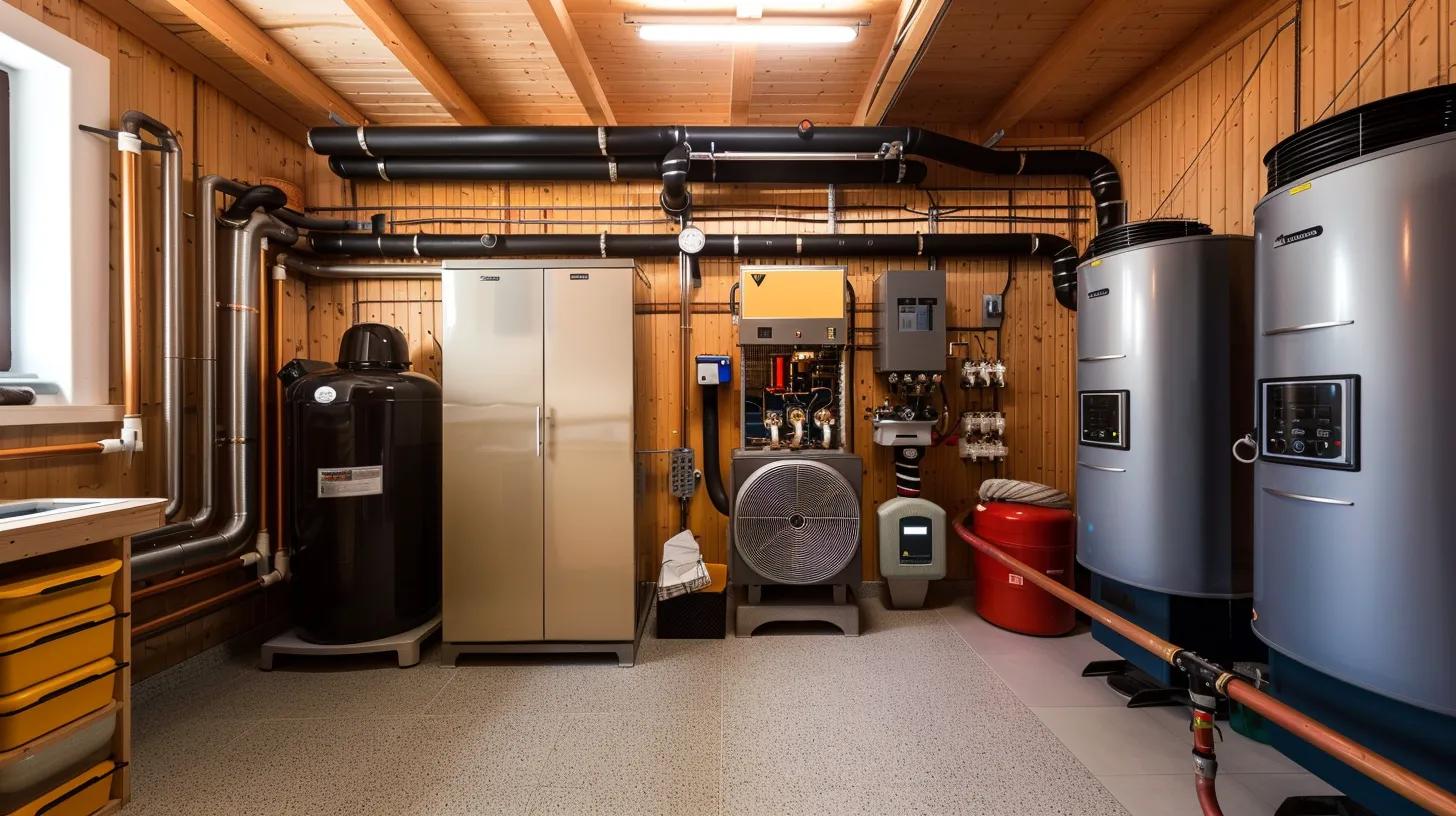
Professional heating system installation is vital for several reasons, primarily focusing on the safety of your household and the long-term efficiency of your investment. A correctly installed heating system minimizes the risk of dangerous malfunctions such as gas leaks or carbon monoxide exposure, and ensures optimal performance, which can lead to significant energy savings—often 20-30%—over time. Furthermore, professional installation guarantees adherence to all local building codes, manufacturer specifications, and environmental regulations, which is crucial for compliance, safety, and maintaining your system’s warranty.
What Are the Benefits of Certified HVAC Technicians?
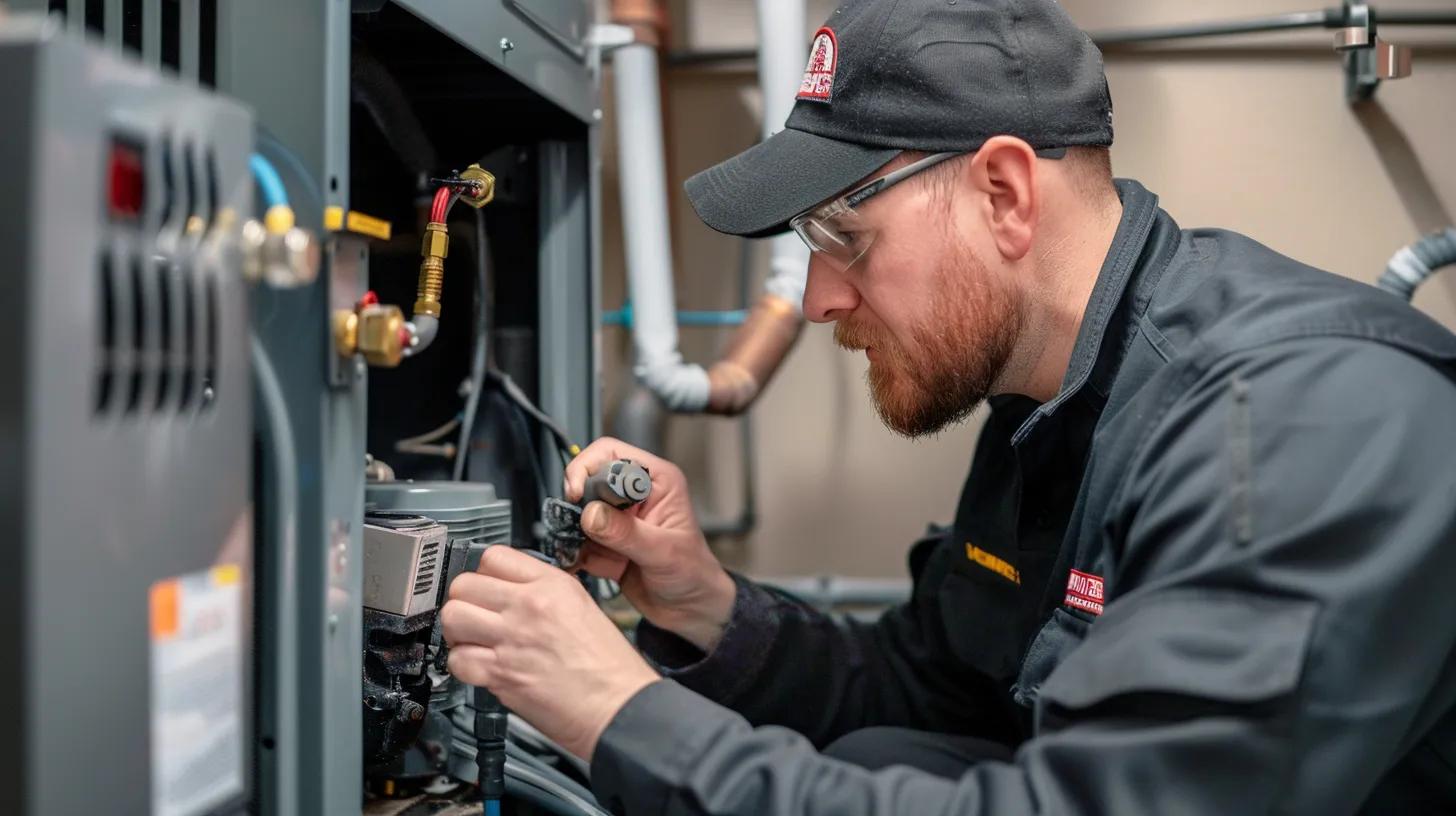
Hiring certified HVAC technicians offers numerous advantages that directly impact the quality and reliability of your heating system. These professionals possess extensive expertise, acquired through rigorous training and ongoing education, enabling them to accurately size, install, and calibrate complex heating systems. They are proficient in using specialized tools for precise measurements, leak detection, and airflow balancing. Certified technicians are also intimately knowledgeable about local codes and regulations, ensuring your installation is fully compliant and helps avoid potential legal issues or costly re-inspections. Moreover, certified technicians often provide comprehensive warranties on their work, typically covering labor and specific components for a defined period, giving homeowners invaluable peace of mind regarding the longevity and reliability of their heating systems.
How Do Local Codes and Permits Affect Installation in Lehi, UT?
Local codes and permits play a significant and non-negotiable role in heating system installation, particularly in areas like Lehi, UT. Compliance with these regulations is essential to ensure the safety of your home and its occupants, and to avoid substantial penalties or the forced removal of non-compliant systems. Homeowners must obtain the necessary permits—which typically include mechanical and sometimes electrical permits—before any installation work begins. This process usually involves inspections by city or county officials at various stages of the installation to verify that the work meets stringent local standards for safety, efficiency, and environmental impact. Understanding and adhering to these requirements from the outset can save homeowners from costly fines, potential insurance complications, and ensure that their heating systems operate safely and efficiently for their entire lifespan.
What Is the Complete Heating System Installation Checklist?
A comprehensive heating system installation checklist is crucial for ensuring that all necessary steps are meticulously followed, from initial assessment to final testing. This checklist should include a thorough assessment of the home for proper heating system sizing, understanding the key steps involved in both furnace and heat pump installation, and ensuring rigorous safety checks are performed throughout the entire process. Following this detailed guide helps guarantee a successful, efficient, and safe installation.
How to Assess Your Home for Proper Heating System Sizing?
Assessing your home for proper heating system sizing involves a multi-faceted approach to ensure optimal comfort and energy efficiency. Homeowners and their chosen HVAC professionals should consider several critical factors: the total square footage of your home, the number and type of windows and doors (including their U-values and orientation), the quality and R-value of insulation in walls, ceilings, and floors, and the specific local climate conditions, including average winter temperatures and humidity levels. Advanced tools such as a Manual J load calculation, performed by a certified professional, are indispensable. This detailed calculation accounts for heat loss through the building envelope, heat gains from internal sources (appliances, occupants), and heat loss due to air infiltration and ventilation. An undersized system will struggle to heat your home adequately, leading to constant operation and premature wear, while an oversized system will “short cycle,” turning on and off too frequently, wasting energy, creating uneven temperatures, and failing to properly dehumidify the air.
Detailed Heating Load Calculation Procedures
Section 6.4 focuses on calculation of heating loads. This section provides detailed step-by-step procedures for calculating heating loads due to heat loss through surface, and heat losses due to infiltration, and ventilation.
Cooling and heating load calculations, 2024
How to Ensure Safety and Compliance During Installation?
Ensuring safety and compliance during heating system installation is paramount, protecting both the occupants and the property. This involves the rigorous use of appropriate safety equipment by technicians, conducting comprehensive compliance checks against local and national standards, and having robust emergency procedures in place. Homeowners should also be acutely aware of the potential hazards associated with heating systems, such as highly flammable gas leaks, carbon monoxide exposure, and electrical faults, and understand the measures taken to mitigate these risks.
What Local Safety Standards Must Be Met in Utah County?
In Utah County, specific and stringent safety standards must be met during heating system installation to ensure public safety and structural integrity. These standards are typically based on the International Residential Code (IRC) and International Mechanical Code (IMC), with local amendments. Key requirements include: proper venting of gas appliances, ensuring vent pipes are correctly sized, made of appropriate materials, and terminate safely outside the building; mandatory installation of carbon monoxide detectors in accordance with the IRC and local amendments, often requiring hardwired units with battery backup; and strict adherence to electrical codes, which dictate dedicated circuits for heating equipment, proper grounding, and accessible disconnect switches. Homeowners should familiarize themselves with these regulations or rely on certified professionals who are experts in Utah County’s specific requirements to ensure full compliance and maximum safety.
What Are the Best Practices for Thermostat and Ductwork Setup?
Setting up thermostats and ductwork correctly is crucial for maximizing heating efficiency, ensuring even heat distribution, and achieving optimal comfort throughout your home. Proper installation and configuration of these components can significantly impact the overall performance, energy consumption, and longevity of your heating system.
How to Integrate Smart Thermostats with New Heating Systems?
Integrating smart thermostats with new heating systems involves ensuring seamless compatibility and optimal functionality. Homeowners should verify that their chosen smart thermostat is compatible with their new heating system’s wiring (e.g., requiring a C-wire for continuous power) and system type (e.g., single-stage, multi-stage, heat pump). Following the manufacturer’s detailed instructions for installation and setup is critical, often involving wiring diagrams and app-based configuration. Smart thermostats offer a wealth of benefits, including remote control via smartphone apps, programmable schedules, geofencing capabilities, learning algorithms that adapt to your habits, and detailed energy usage tracking. These features can lead to significant energy savings, enhanced convenience, and improved comfort, making them a valuable and modern addition to any new heating system.
Why Is Proper Duct Sealing Vital for Heating Performance?
Proper duct sealing is absolutely vital for heating performance because it directly prevents air leaks that can lead to substantial energy loss and compromised indoor air quality. Unsealed or poorly sealed ducts can lose 20-30% of conditioned air before it even reaches your living spaces, forcing your heating system to work harder and longer to maintain desired temperatures. This results in higher energy bills and reduced comfort. Leaks commonly occur at connections between duct sections, at registers, and where ducts pass through walls or ceilings. Sealing methods typically involve using mastic sealant, specialized foil tape, or professional aerosol sealing techniques. Beyond efficiency, proper duct sealing also improves indoor air quality by preventing dust, allergens, and pollutants from being drawn into the ductwork and circulated throughout your home. Regular inspection and maintenance of ductwork are essential to ensure optimal performance and a healthy indoor environment.
Homeowners should ensure their installation is performed by qualified, certified professionals who adhere to industry best practices and local codes to avoid these costly repairs and safety hazards.
What Post-Installation Steps Ensure Long-Term Heating System Performance?
After the successful installation of your new heating system, several crucial post-installation steps can help ensure its long-term performance, efficiency, and reliability. Proactive measures such as regular maintenance and diligent warranty checks are essential for identifying potential issues before they escalate into significant and costly problems, thereby extending the lifespan of your investment.
How to Schedule Maintenance and Warranty Checks?
Scheduling regular maintenance and understanding your warranty are crucial for the longevity and efficiency of your heating system. Homeowners should establish an annual maintenance schedule with a qualified HVAC technician, ideally before the heating season begins. A comprehensive tune-up typically includes cleaning and inspecting the furnace or heat pump, checking electrical connections, lubricating moving parts, inspecting the heat exchanger for cracks, verifying refrigerant levels (for heat pumps), replacing air filters, and testing safety controls. This proactive approach helps identify and address minor issues early, preventing costly breakdowns and ensuring the system operates at peak efficiency. Additionally, homeowners must register their new system with the manufacturer to activate the warranty, which typically covers parts for 5-10 years. Understanding the terms of your warranty, including what it covers and any conditions (like mandatory annual maintenance), is vital for protecting your investment.
What Are Common Installation Mistakes to Avoid?
Being aware of common installation mistakes can help homeowners ensure their heating system is installed correctly and avoid future headaches. These pitfalls include:
- Improper Sizing of the Heating System: As discussed, an undersized system will run constantly and wear out quickly, while an oversized system will short-cycle, leading to inefficiency, uneven heating, and premature component failure.
- Neglecting to Follow Manufacturer Guidelines: Deviating from the manufacturer’s specific instructions can void warranties, compromise safety, and lead to suboptimal performance.
- Failing to Conduct Necessary Safety Checks: Skipping critical safety tests for gas leaks, carbon monoxide emissions, and electrical integrity can put your home and family at severe risk.
- Poor Ductwork Installation or Sealing: Leaky or improperly sized ducts can drastically reduce efficiency, create hot and cold spots, and increase energy bills.
- Incorrect Thermostat Placement: Placing a thermostat near heat sources, in direct sunlight, or in drafty areas can lead to inaccurate temperature readings and inefficient system operation.
Why Choose Air Express HVAC for Your Heating System Installation?
Choosing the right HVAC service provider is paramount for a successful, safe, and efficient heating system installation. Air Express HVAC stands out in the Lehi, UT area due to its extensive experience, unwavering commitment to customer satisfaction, and deep roots in the community, making them a trusted partner for your home comfort needs.
What Unique Value Does Air Express HVAC Offer in Lehi, UT?
Air Express HVAC offers unique and compelling value to homeowners in Lehi, UT, built on a foundation of over 25 years of dedicated experience in the HVAC industry. As a family-owned and operated business, they prioritize personalized customer service, treating every client like a neighbor. This commitment translates into transparent communication, honest recommendations, and a genuine desire to ensure your complete satisfaction. Their extensive expertise in heating installation means they are adept at handling a wide range of systems, from traditional furnaces to modern heat pumps, and can navigate complex installation challenges with precision. Beyond technical skill, Air Express HVAC is deeply involved in the community, fostering trust and long-term relationships, and ensuring that homeowners receive high-quality, reliable service tailored to their specific needs and the unique climate of Lehi.
Heating System Installation Checklist
To ensure a successful, safe, and efficient heating system installation, follow this comprehensive checklist:
- Assess Home Size and Needs: Utilize a professional load calculation (e.g., Manual J) to accurately determine the appropriate system size, considering square footage, insulation, windows, and local climate.
- Hire Certified Technicians: Ensure that the installation is performed exclusively by certified, licensed, and experienced HVAC professionals who adhere to industry standards and best practices.
- Obtain Necessary Permits: Verify and secure all required local mechanical and electrical permits from your city or county before any work commences to ensure compliance and avoid penalties.
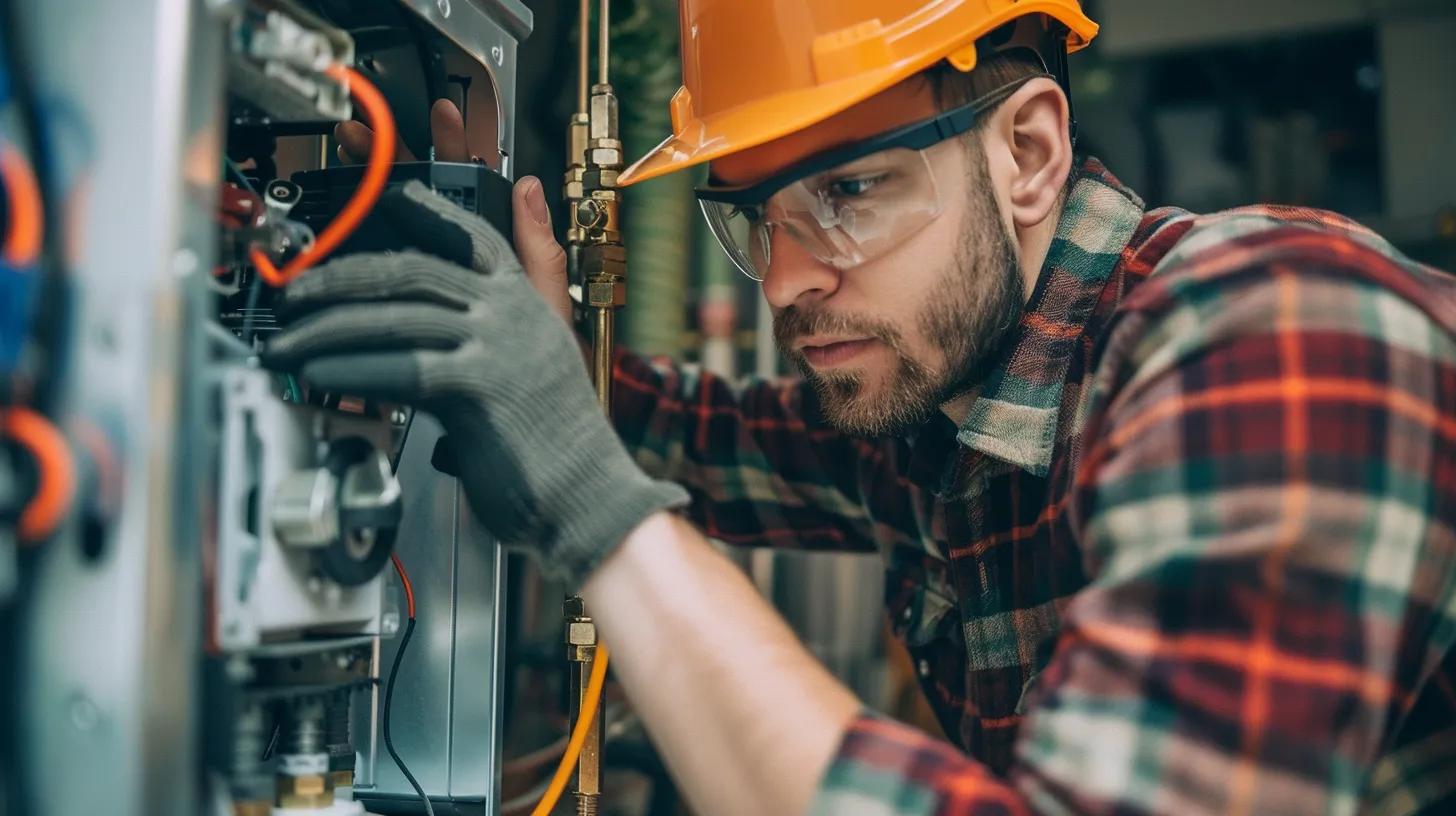
- Conduct Thorough Safety Checks: Confirm that all safety measures, including proper ventilation, secure gas lines, and functional carbon monoxide detectors, are meticulously installed and tested.
- Schedule Regular Maintenance: Establish a proactive annual maintenance schedule with your HVAC provider to ensure long-term performance, efficiency, and to uphold warranty requirements.
| Step | Description | Importance |
|---|---|---|
| Assess Home Size | Determine the appropriate heating system size based on detailed home specifications and a professional load calculation to prevent oversizing or undersizing. | Ensures optimal efficiency, consistent comfort, and extends the system’s lifespan. |
| Hire Certified Technicians | Engage professionals with the necessary certifications, licenses, and proven expertise for precise and compliant installation. | Guarantees adherence to safety standards, manufacturer guidelines, and local codes, often backed by warranties. |
| Obtain Necessary Permits | Secure all permits required by local regulations and building authorities before commencing any installation work. | Avoids legal issues, ensures safety inspections, and validates the legality of the installation. |
| Conduct Safety Checks | Implement and verify all safety measures, including proper ventilation, secure gas connections, and functional carbon monoxide detectors. | Protects against critical hazards like gas leaks, carbon monoxide poisoning, and electrical fires. |
| Schedule Regular Maintenance | Plan for routine annual inspections and servicing of the heating system by a qualified technician. | Extends the lifespan of the system, maintains efficiency, prevents breakdowns, and keeps warranties valid. |
This detailed checklist serves as an invaluable guide for homeowners to ensure a successful heating system installation, emphasizing the critical importance of each step in the process for long-term safety, efficiency, and comfort.
Conclusion
Ensuring your heating system is installed correctly is essential for safety, efficiency, and long-term performance. By following professional guidelines and utilizing a comprehensive checklist, homeowners can avoid costly mistakes and enjoy a comfortable living environment. Don’t leave your comfort to chance; trust certified professionals to handle your installation needs. Explore our services today to ensure your heating system operates at its best for years to come.