
Essential HVAC Maintenance Tips for Homeowners
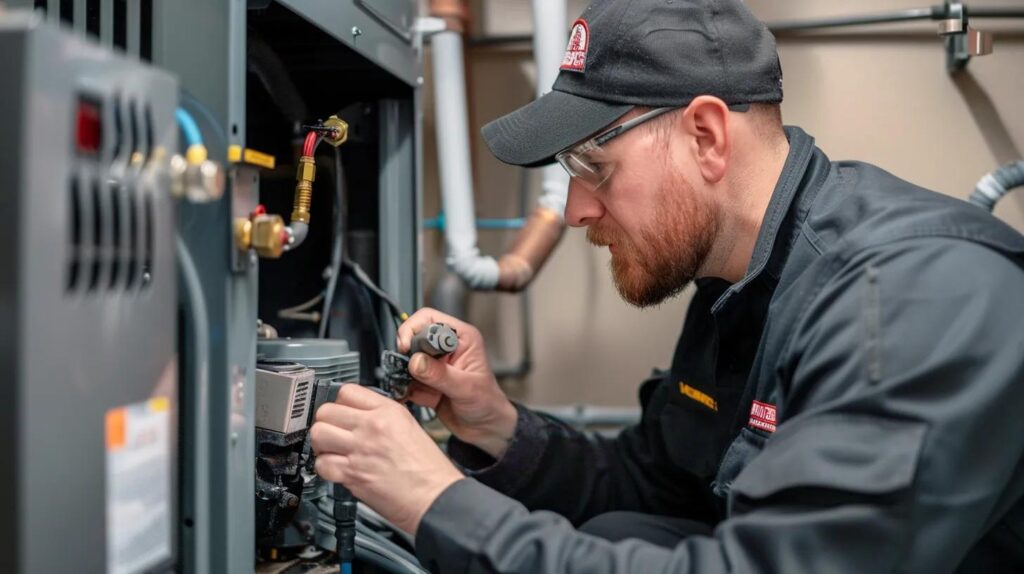
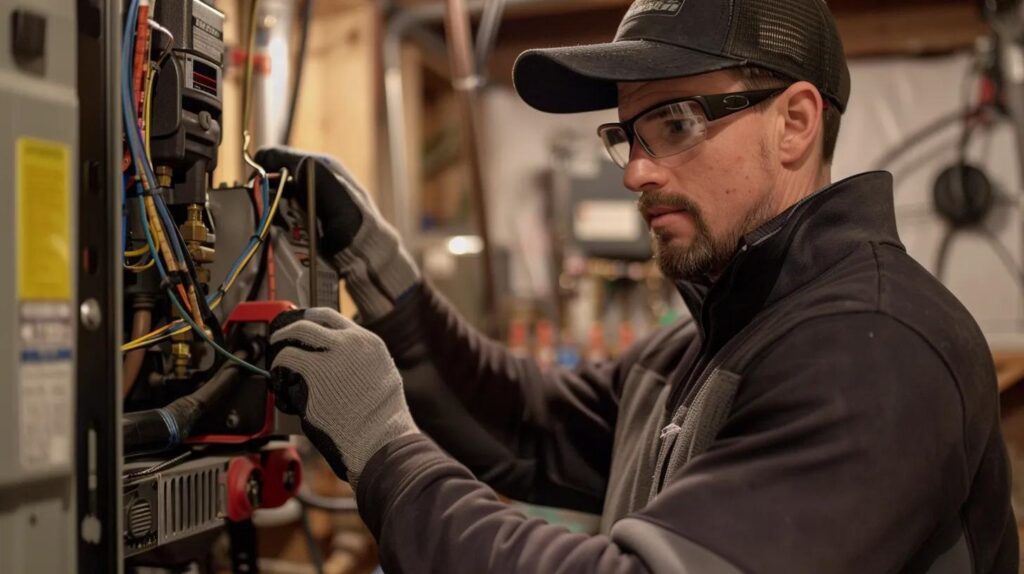
Regular maintenance is crucial for the longevity and efficiency of your HVAC system. Homeowners should schedule routine check-ups to ensure that all components are functioning properly, including filters, coils, and ductwork.
For instance, changing air filters every 1-3 months can significantly improve air quality and system efficiency. Additionally, homeowners should consider professional inspections at least once a year to catch potential issues before they escalate into costly repairs.
Understanding the Different Types of HVAC Systems
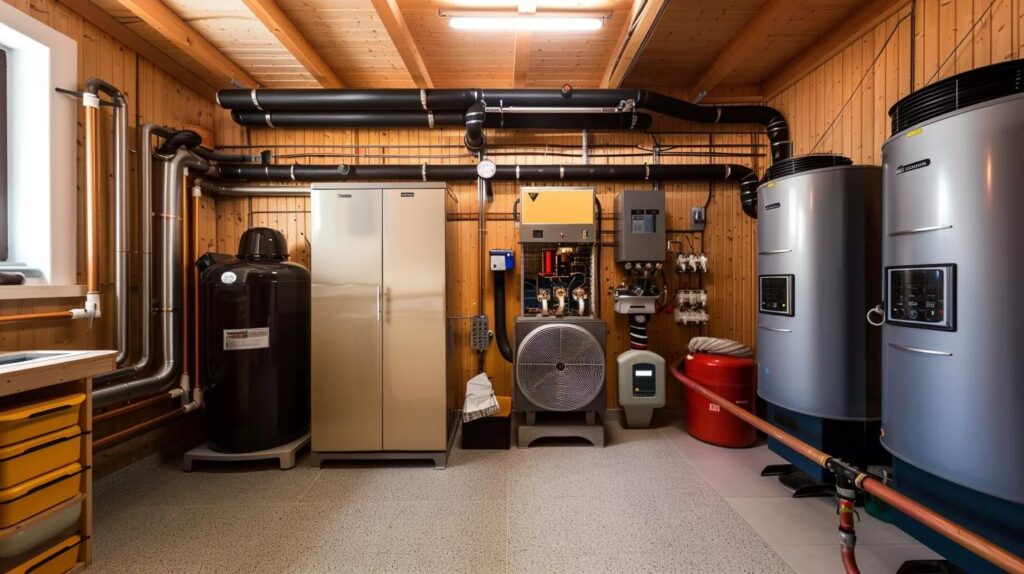
HVAC systems come in various types, each suited for different needs and building sizes. The most common types include central air conditioning, ductless mini-split systems, and heat pumps, each offering unique benefits and efficiencies.
For example, ductless mini-split systems are ideal for homes without existing ductwork, providing flexibility and energy savings. Understanding these options helps homeowners make informed decisions based on their specific heating and cooling needs.
Signs Your HVAC System Needs Repair
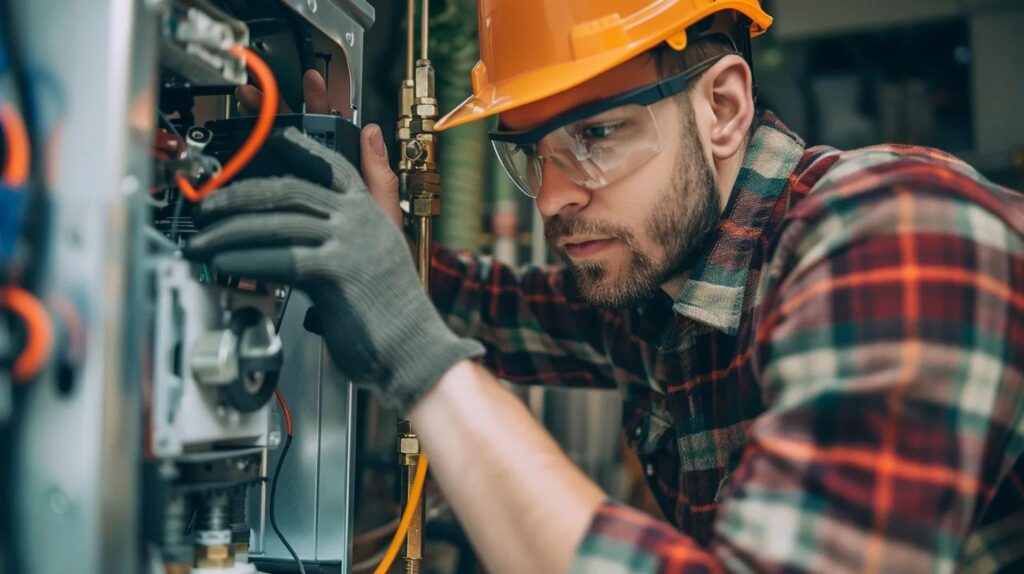
Recognizing the signs that your HVAC system requires repair can save you from discomfort and higher energy bills. Common indicators include unusual noises, inconsistent temperatures, and increased energy consumption.
If your system is making loud banging or rattling noises, it may indicate a mechanical issue that needs immediate attention. Additionally, if you notice that certain rooms are significantly warmer or cooler than others, it could signal an underlying problem that requires a professional diagnosis.
Energy Efficiency and Your HVAC System
Improving the energy efficiency of your HVAC system not only reduces utility bills but also contributes to environmental sustainability. Homeowners can adopt various strategies, such as upgrading to Energy Star-rated appliances and ensuring proper insulation in their homes.
For instance, sealing ducts and adding insulation can prevent conditioned air from escaping, leading to more efficient heating and cooling. Furthermore, investing in a programmable thermostat allows homeowners to optimize their energy use based on their daily schedules.
Essential HVAC Maintenance Tips for Homeowners
Regular maintenance is crucial for the longevity and efficiency of your HVAC system. Homeowners should schedule routine check-ups to ensure that all components are functioning properly, including filters, coils, and ductwork.
For instance, changing air filters every 1-3 months can significantly improve air quality and system efficiency. Additionally, homeowners should consider professional inspections at least once a year to catch potential issues before they escalate into costly repairs.
Understanding the Different Types of HVAC Systems
HVAC systems come in various types, each suited for different needs and building sizes. The most common types include central air conditioning, ductless mini-split systems, and heat pumps, each offering unique benefits and efficiencies.
For example, ductless mini-split systems are ideal for homes without existing ductwork, providing flexibility and energy savings. Understanding these options helps homeowners make informed decisions based on their specific heating and cooling needs.
Signs Your HVAC System Needs Repair
Recognizing the signs that your HVAC system requires repair can save you from discomfort and higher energy bills. Common indicators include unusual noises, inconsistent temperatures, and increased energy consumption.
If your system is making loud banging or rattling noises, it may indicate a mechanical issue that needs immediate attention. Additionally, if you notice that certain rooms are significantly warmer or cooler than others, it could signal an underlying problem that requires a professional diagnosis.
Energy Efficiency and Your HVAC System
Improving the energy efficiency of your HVAC system not only reduces utility bills but also contributes to environmental sustainability. Homeowners can adopt various strategies, such as upgrading to Energy Star-rated appliances and ensuring proper insulation in their homes.
For instance, sealing ducts and adding insulation can prevent conditioned air from escaping, leading to more efficient heating and cooling. Furthermore, investing in a programmable thermostat allows homeowners to optimize their energy use based on their daily schedules.