


When your air conditioning system starts blowing warm air, it’s more than just a minor inconvenience. In the middle of a hot summer day in Eagle Mountain, the last thing any homeowner wants is for their AC to push out heat instead of cool air. It can turn a comfortable home into an uncomfortable space pretty quickly. Since AC issues can stem from several different sources, figuring out what’s really going wrong can be frustrating without knowing what to look for.
Summers in Eagle Mountain come with high heat and low humidity, which puts a lot of pressure on cooling systems. AC units that aren’t regularly checked or maintained can struggle to keep up, especially during long periods of high temperatures. This kind of consistent strain can lead to malfunctions that are often preventable. If your AC suddenly stops delivering the cool air you’re counting on, it’s usually a sign that something in the system needs attention.
Common Reasons For AC Blowing Warm Air
Warm air coming out of your vents when the AC is supposed to be cooling your home usually points to a problem lurking within the unit. Some of these issues are simple, while others are more complex. Either way, it’s best to catch them quickly before they cause larger system failures.
Here are the most common reasons your AC might be blowing warm air:
1. Low refrigerant levels – Lack of refrigerant makes it hard for your system to remove heat from your home’s air. If the levels are low, there may be a leak in the line or somewhere in the system that’s letting it escape.
2. Electrical problems – Sometimes the system isn’t cooling because of an electrical disconnection between the indoor and outdoor units. If the indoor fan is blowing but the outdoor unit isn’t running, it’s time to get it checked.
3. Incorrect thermostat settings – Double-check your thermostat. It’s an easy fix, but sometimes the system gets accidentally switched to heat or the battery dies, leaving the AC confused about what to do.
4. Dirty or clogged air filters – When airflow is restricted from a filter that hasn’t been changed in a while, cool air can’t circulate properly, and you’ll feel warmer air coming through the vents.
5. Blocked or clogged condenser coils – Outdoor condenser coils covered in dirt or debris can’t release heat effectively. This keeps the system from cooling your home the way it should.
For example, several AC units in Eagle Mountain neighborhoods have been reported to blow warm air during the second half of summer. Often, it’s a combination of a dirty air filter and a struggling outdoor condenser that’s worked too hard under relentless heat. These conditions are common, but they don’t fix themselves. If ignored, they can lead to compressor damage or full system breakdowns.
Knowing the source of the problem is one thing. Fixing it the right way requires trained professionals with the tools and experience to step in quickly and safely. The sooner you address these issues, the faster you’ll get your home back to a comfortable temperature.
The Impact Of Eagle Mountain's Climate
The dry, hot summers in Eagle Mountain keep AC units running for long stretches of time, which puts them under a lot of stress. With limited overnight cooling and many days near or above 90 degrees, systems don’t always get the break they need. Constant demand without proper maintenance tends to reveal weak spots in older units or systems that haven’t been serviced in a while.
Heavy use during July and August usually brings underlying problems to the surface. Dirty components, low refrigerant, or thermostat errors can go unnoticed until the system just stops cooling efficiently. And when outdoor temperatures are still in the 80s or 90s well into August, even a small problem can feel like a big one very fast.
Extreme heat doesn’t just cause comfort issues either. It can push your system into overdrive. Parts wear out faster, airflow gets strained, and before you know it, you’re dealing with sudden cooling failure when you need it most. This is why ongoing attention to AC performance during peak heat is so important.
For Eagle Mountain homeowners, the weather isn’t changing anytime soon. Keeping your system clean and catching small problems before they turn into expensive ones plays a big role in how well your home stays cool through the end of summer.
Professional Diagnosis And Solutions
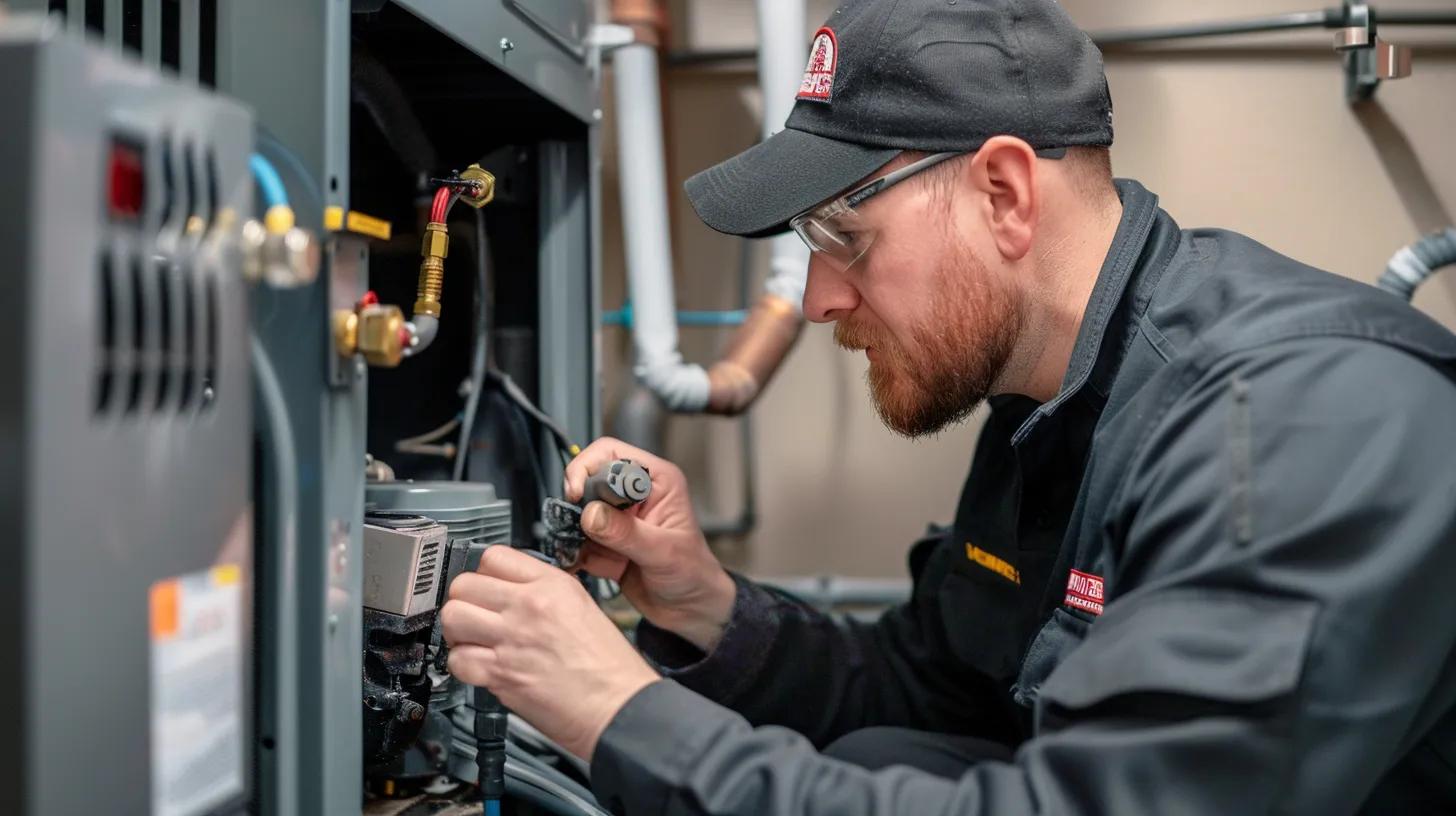
When your AC is blowing warm air during the peak of summer, guessing the cause can waste time and worsen the problem. Most mechanical issues involve components that require professional tools and experience to inspect and repair. Without proper servicing, something simple like a low refrigerant issue can turn into a burnt-out compressor or even complete system failure.
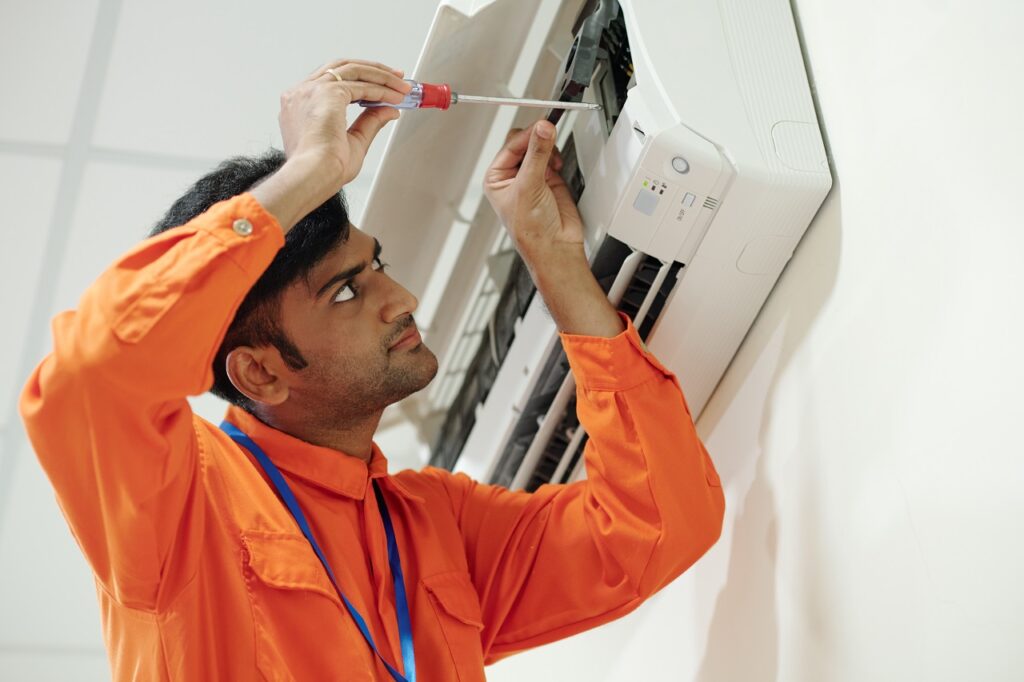
Our professionals are trained to spot these faults early and resolve them correctly. They begin by checking your system’s refrigerant levels, inspecting electrical connections, and testing airflow. From there, deeper assessments include evaluating coil condition, drain line clogs, or signs of wear that may not be obvious to the untrained eye. Every part matters, and a missed step can lead to repeat issues even after a repair.
One common problem we see in Eagle Mountain involves systems where the outdoor unit has lost connection due to a tripped breaker or faulty wiring. Sometimes the indoor components continue to run, but with no cooling happening outside, all you get is warm air. Our technicians test these areas carefully to avoid misdiagnosis and get your home cooling again without delay.
It’s natural to want a quick fix. But without pinpointing what’s causing the breakdown, trying to run the unit could drive up energy use or damage other working AC parts. Our technicians focus on solving the actual cause, not just treating the symptoms. On-site evaluation leads to clear solutions that restore comfort fast and help extend the lifespan of your system.
Preventive Measures To Avoid Warm Air Issues
Keeping your cooling system from failing when you need it most doesn’t have to be complicated. Many common issues can be prevented with routine attention and proper maintenance. While some problems are hard to spot before they affect performance, others give early signs that something isn’t right.
Here are a few steps that reduce the chances of your AC blowing warm air:
– Schedule regular AC tune-ups in early summer to check refrigerant levels, wiring, and coils.
– Change air filters monthly during heavy-use months to maintain airflow and avoid dirt buildup.
– Keep the outdoor unit free from grass, leaves, and dust to make sure heat can escape properly.
– Replace thermostat batteries once a year and consider testing the settings before a heat wave.
– Watch for signs like uneven cooling or unusual noises, which could point to system trouble.
In a place like Eagle Mountain with long, hot summers, small tasks like these help lessen the workload on your AC. They also reduce the risk of sudden breakdowns that leave your home in discomfort. Setting up a routine inspection schedule and catching small problems early can make a big difference.
Many homeowners overlook these details until their AC loses cooling power completely. But dealing with a broken unit in the middle of summer always takes more time and money than keeping it tuned up in the first place. Paying attention to maintenance now saves you from headaches down the road.
Keeping Your Home Cool And Running Smoothly
Having an air conditioning system that suddenly blows warm air can be frustrating, especially when the heat outside isn’t letting up. Most of the time, the problem comes from something that could have been fixed earlier—low refrigerant, electrical problems, or dirty coils. And because Eagle Mountain’s climate puts so much demand on AC systems, those small issues turn into bigger ones fast.
Although the source of the problem might not be obvious right away, our professionals are trained to get answers quickly. From checking for blocked condenser coils to inspecting electrical problems between indoor and outdoor units, their tools and experience take the guesswork out of fixing your system. But even better than emergency repairs is doing what you can to avoid the problem to begin with.
With routine tune-ups, clean filters, and regular outdoor unit checks, you can lessen the load on your AC before problems start. Preventive care gives your system the best chance to keep up during long Eagle Mountain summers and helps you stay cool when it matters most.
If your home is struggling to stay cool due to warm air issues, rely on the expertise of Air Express Heating and Air Conditioning to get your system back on track. Our professionals handle every detail to restore proper cooling while keeping your AC running smoothly during Eagle Mountain’s hot summer days. Learn more about air conditioning in Eagle Mountain and how regular maintenance can prevent unexpected breakdowns, and for a quick estimate or to book a service visit, please contact us today.